
Sydney, Australia – October, 2025
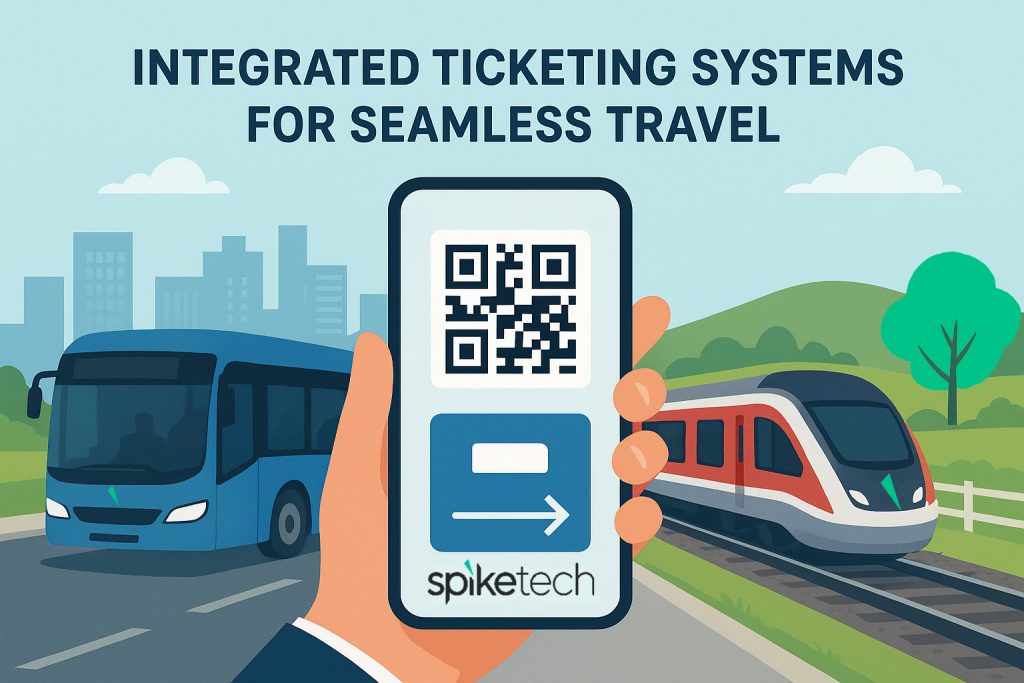
Integrating Ticketing Systems for Seamless Travel
As passengers move between regional and urban areas, they often encounter a frustrating reality — fragmented ticketing systems that make journeys unnecessarily complex. Travellers may have to buy multiple tickets, navigate different fare structures, or switch between apps just to complete a single trip. For regional communities, this friction can discourage public transport use altogether. As the boundaries between regional and urban mobility blur, fare and ticketing integration is becoming essential to creating a truly connected travel experience.
Unified ticketing systems allow passengers to plan, pay, and travel across multiple modes — train, bus, ferry, or on-demand transport — with a single account or payment method. This not only improves passenger convenience but also fosters a more cohesive and efficient public transport network. For agencies and operators, integrated ticketing provides valuable visibility across the entire customer journey, enabling more accurate demand forecasting and network planning. When systems share data seamlessly, it becomes possible to deliver dynamic pricing, simplify fare policy, and reduce operational overheads.
The benefits of integration extend beyond technology. Fare harmonisation between regional and urban networks strengthens the social and economic ties that underpin mobility. For example, workers living in regional towns can more easily access employment in metropolitan areas without facing fare complexity or cost duplication. Students and families can move between communities with greater freedom, while transport agencies can collaborate on shared goals like modal shift, sustainability, and accessibility. Integration, in this sense, is not just about systems — it’s about inclusion.
At Spiketech, we believe that unified ticketing and data interoperability form the backbone of a modern, passenger-focused transport ecosystem. Our ongoing work in data analytics and mobility integration aims to help operators and agencies better understand travel patterns and identify opportunities for seamless connections. As Australia moves toward smarter, more connected mobility networks, the future of public transport will depend on how well we integrate — not just systems and fares, but the experiences of every passenger whether urban or regional.
